Through its experiences and encounters across the globe, the Caravane des dix mots sought to offer the public an event that would showcase the richness of our contemporary world’s linguistic and cultural diversity, without glossing over its complexity. Thus, in 2018, the idea for the Biennale was born.
The Languages Biennale has received support from numerous prominent figures and institutions. It has the honour of being patronised by Henriette Walter, professor emerita of linguistics, president of the International Society for Functional Linguistics and a member of the Higher Council for the French Language.
What is the Languages Biennale?
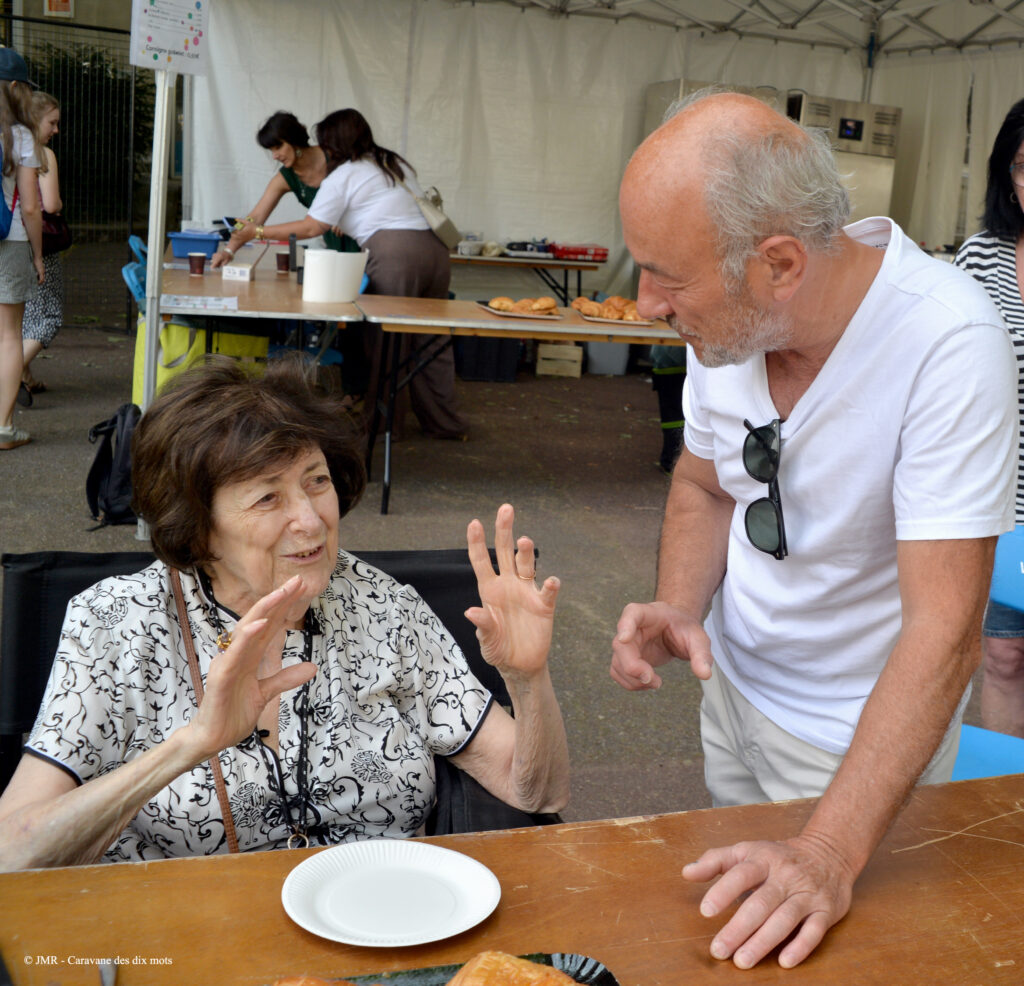
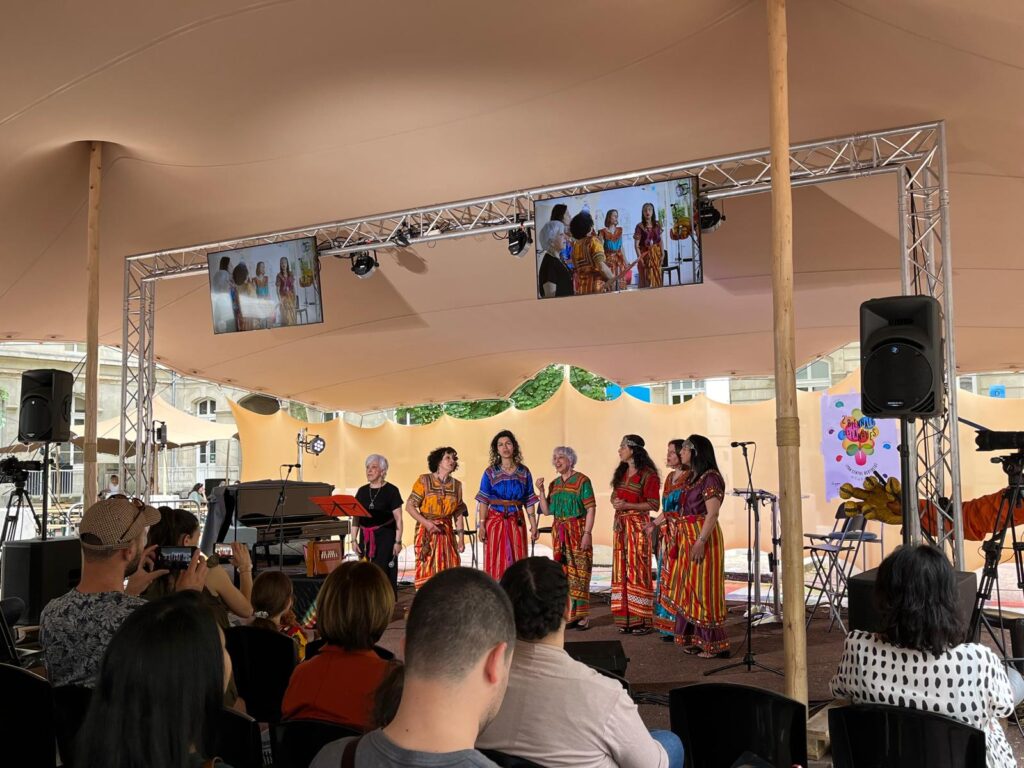
The Biennale des langues is a forum for discussion centred on languages and the questions they raise. Held every two years, it highlights the diversity of languages and cultures, as well as those involved in multilingual initiatives—whether creative, scientific or civic in nature.
As vehicles for connection, catalysts for creativity and sensitivity, and reflections of our imaginations, languages constantly challenge us to question the world and speak volumes: Can everything be translated? Can we ever truly master a language? And what is your language worth? …
One of our objectives is to ensure that visitors feel welcome and are able to express themselves, learn and exchange views on the relationships they have with the languages of their daily lives and of the world.
The Biennale therefore aims to be inspiring, artistic, participatory, fruitful, open, collective, civic-minded, generous, playful and ever-evolving!
What is the Language Biennale?
The Biennale is organised by the Caravane des dix mots, a Lyon-based association which, for over 20 years, has been bringing together artists, researchers, activists, community leaders, local residents and members of the public interested in the arts through artistic initiatives, with the aim of creating a dialogue between the French language and the languages of the world.
JOIN US
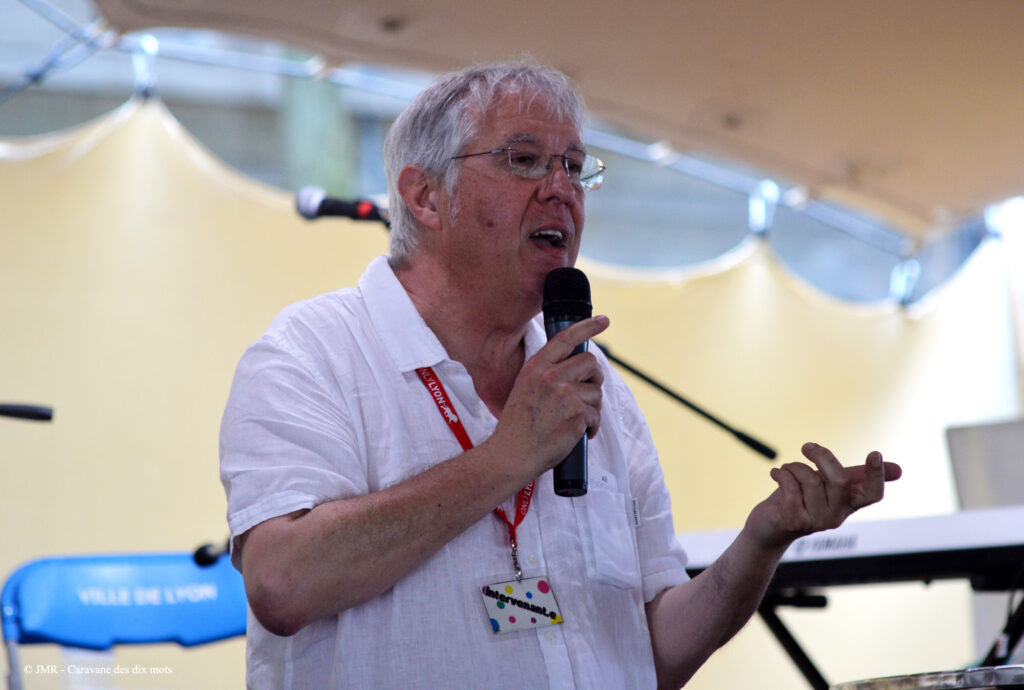
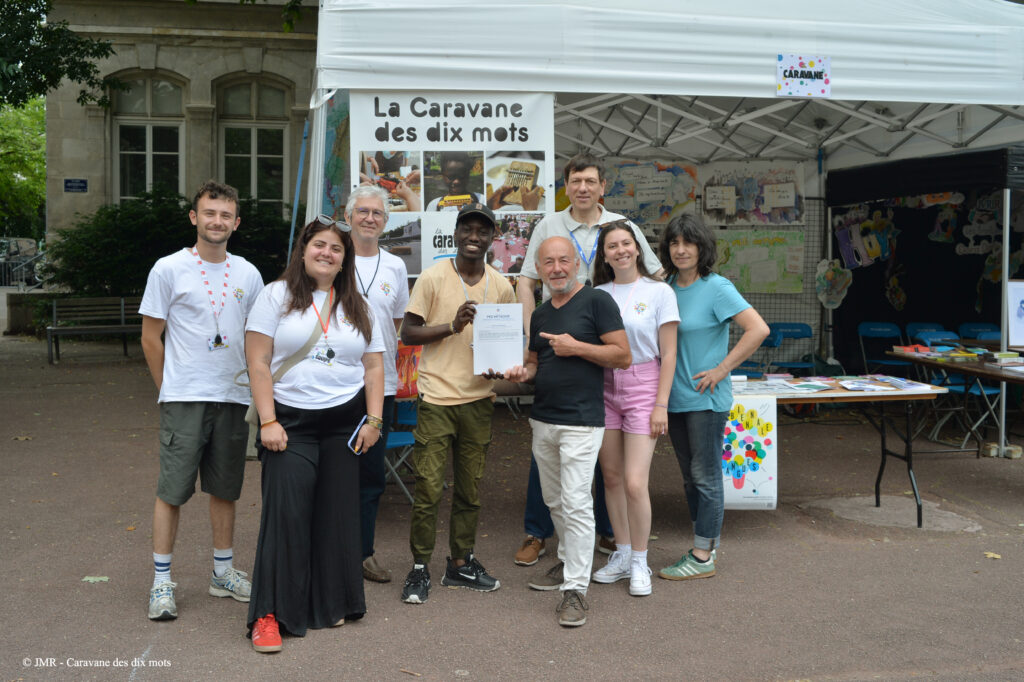
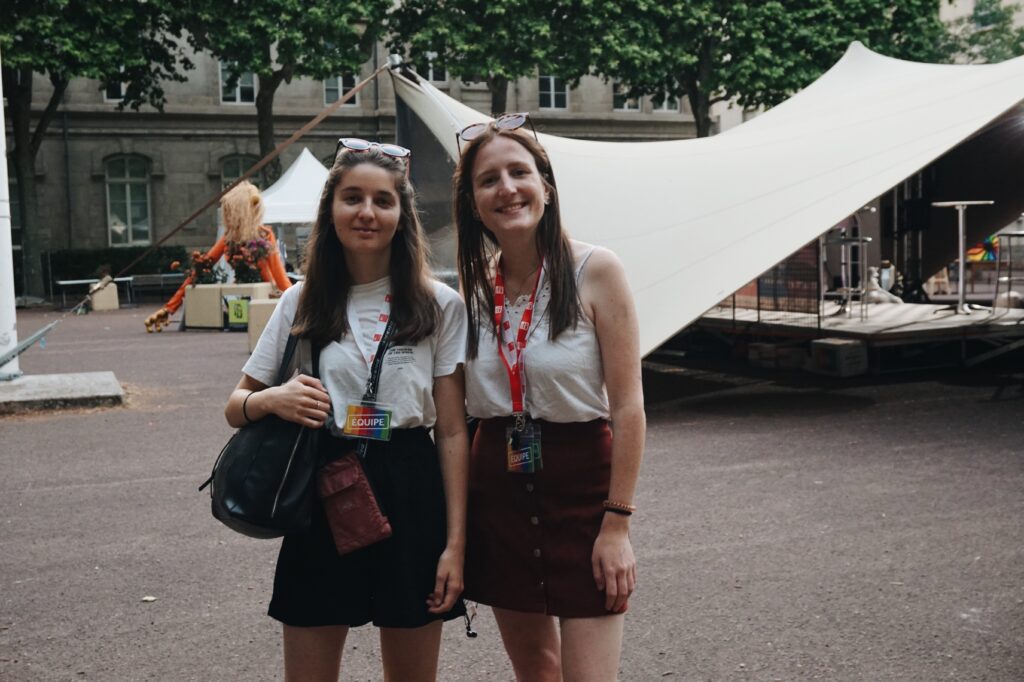
The Biennale could not take place without the dedication and enthusiasm of our volunteers! Around forty volunteers contributed to the success of the 2028 edition!
The Caravane des dix mots needs your help to bring this unique event to life: welcoming the public and speakers, providing logistical support, assisting with activities for the public, and helping with promotion and communication are just some of the roles you might be asked to take on.
Join the adventure alongside the Caravane team and volunteers from all walks of life! If you’re interested, please get in touch with us by email at the following address: international@caravanedesdixmots.com.
PREVIOUS EDITIONS:
PREVIOUS EDITIONS:
The Biennale des Langues is a forum for bringing people together and raising awareness of linguistic and cultural diversity, celebrating the cultural and linguistic richness that surrounds us. This one-of-a-kind event takes an artistic, fun and accessible approach to languages, bringing together experts and enthusiasts, children and adults, local residents and visitors from the region, France and all over the world!
Discover previous editions!
A virtual edition took place in 2021, and three in-person editions have been held: in 2022, 2024 and 2026. The next one is already scheduled for May 2028!
2026 edition:
Now in its third year, the Biennale des langues explores the theme of speech through the two meanings of the verb ‘to dare’: boldness and courage. Daring to learn, daring to meet one another, daring to tell one’s story, daring to share, daring to speak. Over six days, artists, linguists, researchers, local residents, pupils and members of the public are invited to give voice to linguistic and cultural diversity through workshops, exhibitions, lectures, round-table discussions, readings, performances, meetings, concerts and a live radio broadcast. An edition designed to challenge silenced voices and make the Biennale a space for experiences, encounters and sharing.
The team behind the 2026 Languages Biennale
The ‘Ten Words Caravan’ team:
- Thierry Auzer, Chair / Director
- Christine Perego, Educational Coordinator
- Léa Darcq, Project Manager
- Didier Martin, Educational Tutor
- Jean-François Galmiche, Cultural Project Manager
- Youna Bonansea-Lemaistre, Project Assistant
- Paul Jackson, Project Assistant
- Alissa Pivot, Project Assistant
- Maud D., Graphic Designer
In collaboration with the steering committee of the 2026 Languages Biennale:
- Mathilde Delarue, academic coordinator at CASNAV (Lyon Education Authority) and teacher on the UPE2A programme
- Cécile Vesin, bookseller, manager of the Biennale des langues’ pop-up bookshop
- Egidio Marsico, linguist and science communicator at the Maison des Sciences Sociales et des Humanités Lyon/Saint-Etienne
- Andrea Scoccia, volunteer coordinator
- Michel Kneubühler, specialist and lecturer in cultural policy, former ‘French language’ adviser at the DRAC Rhône-Alpes
Supported by
- Serge Sana, musician and composer, lecturer at the CFMI (Training Centre for Music Educators), the CEFEDEM (Training Centre for Artists Teaching Music) and the University of Lyon 2
- Anne Cognet, senior lecturer in Italian at INSA Lyon
View the programme below
or download it as a PDF
2024 edition:
A space for exchange and experience, where scientific discourse resonates with artistic practices, the second edition of the Biennale was designed to be multidisciplinary.
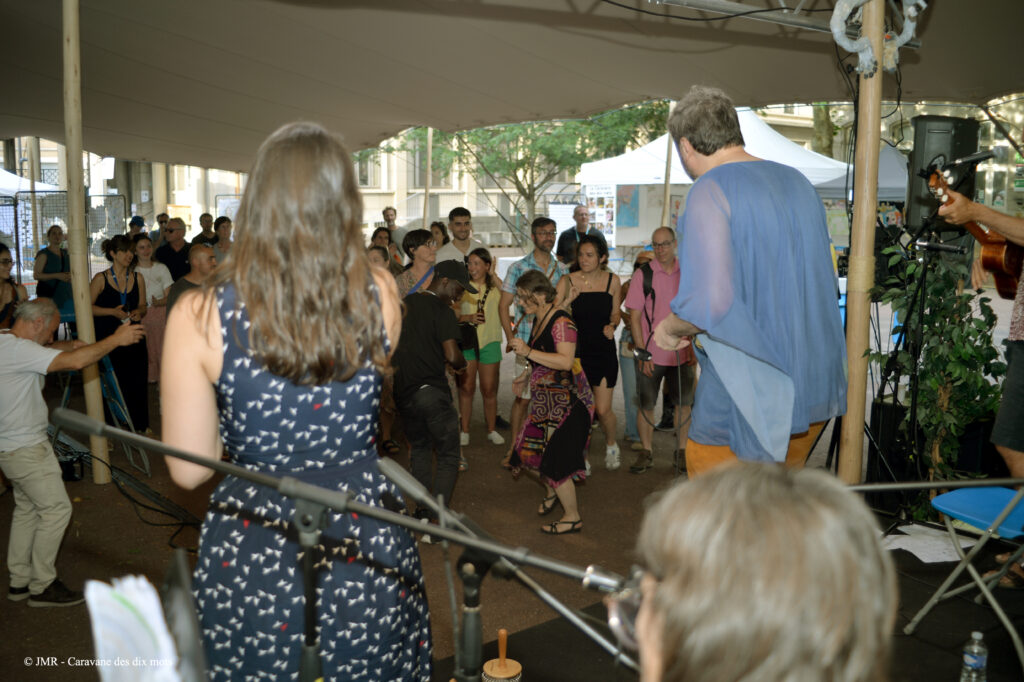
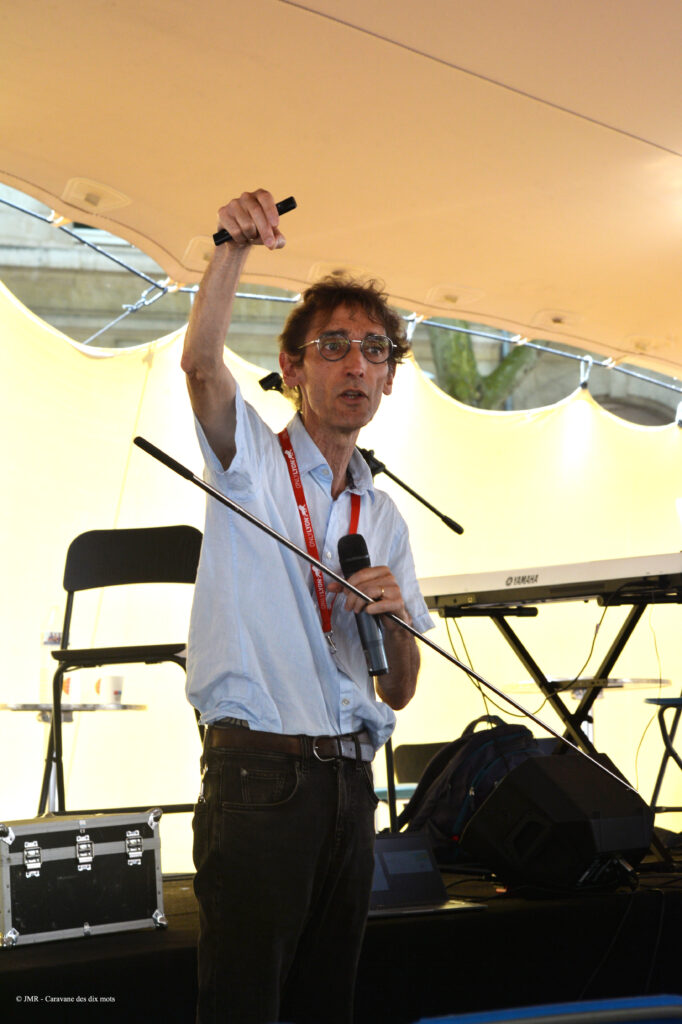
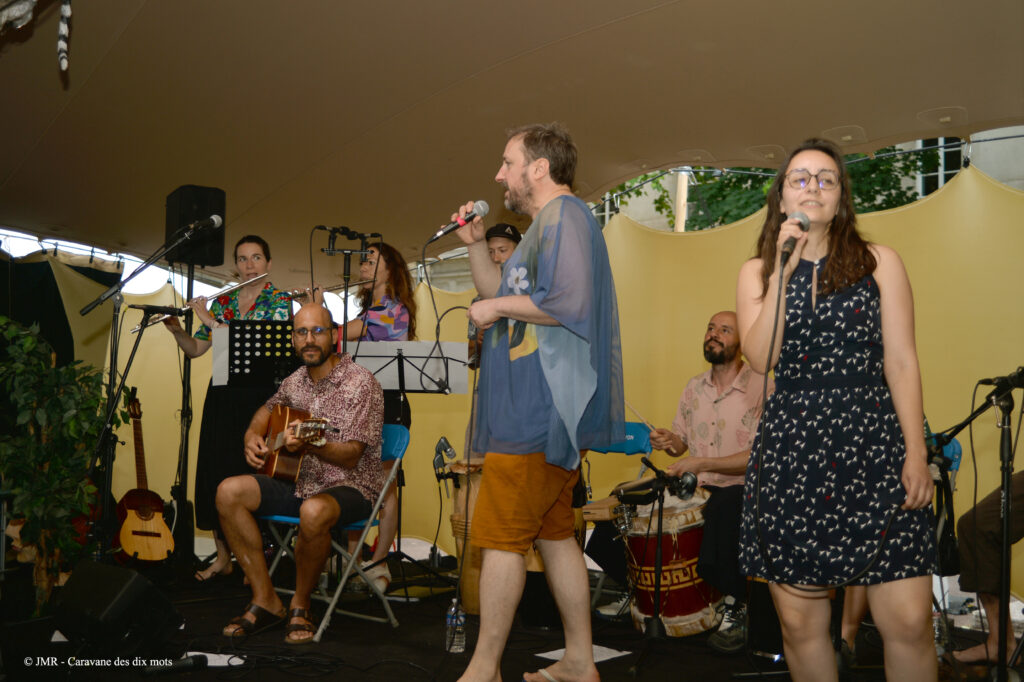
Through concerts, open-mic sessions, screenings, games and workshops, the public is invited to explore what ‘languages’ might mean: who decides how words are defined? Where do languages come from? What does it mean to learn a language? This second Biennale featured twenty lectures and seventeen round-table discussions, exploring the Francophonie, how to create a welcoming space for dialogue, the myths and realities of multilingualism, Asian languages in the context of pop culture, and inclusive writing from an international perspective…
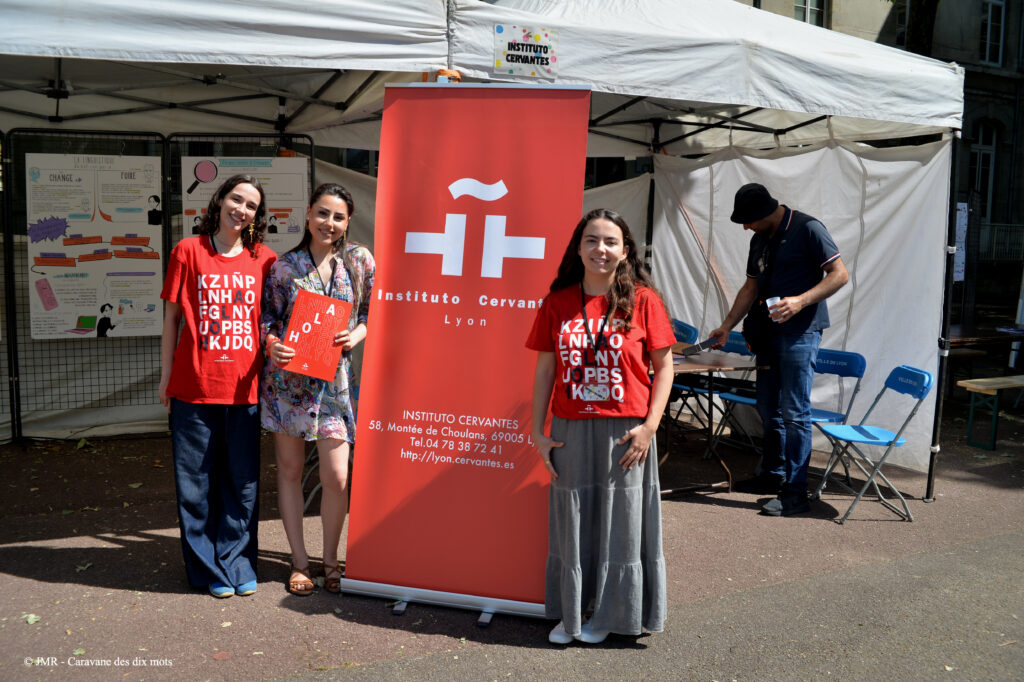
Thirty-seven workshops and games open to all were also organised, including introductory language workshops, notably in Amazigh. Multilingual teenagers also offered introductory lessons in their own languages – Arabic, Italian, Portuguese, Tamil and Ukrainian – embodying the spirit of sharing and hospitality that the Biennale seeks to promote.
A multilingual, participatory performance was also staged by the team from the theatre company Les arTpenteurs, led by Patrice Vandamme, encouraging participants to introduce others to their languages whilst building bridges with the French language.

2022 edition:
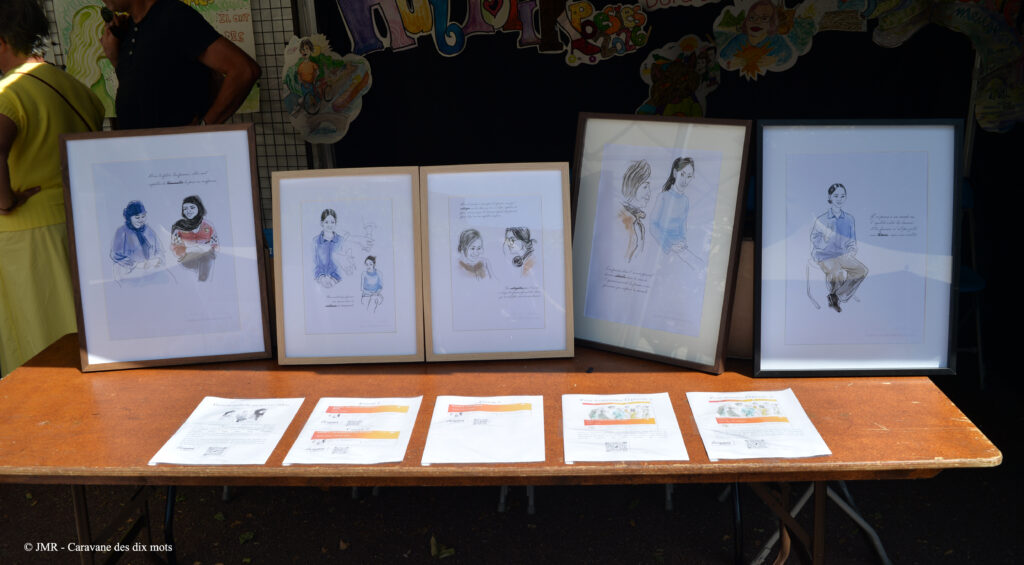
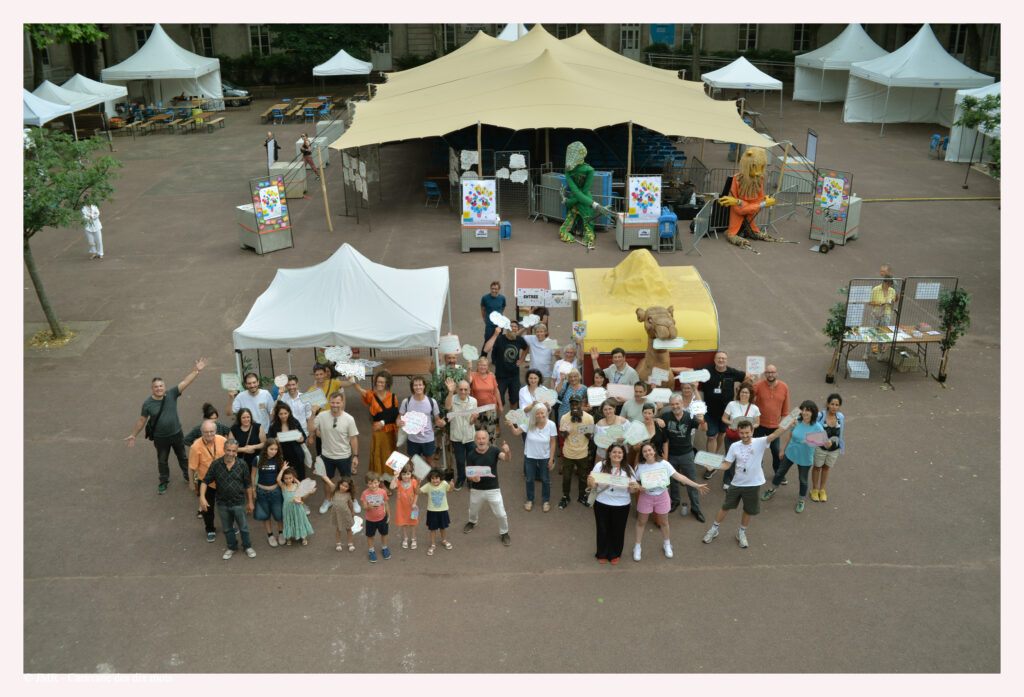
The first in-person edition, the 2022 Languages Biennale invites visitors to embark on a journey and experience movement through its exhibition layout, comprising several themed pavilions in the courtyard of the Centre Berthelot in Lyon. Its theme, “Sharing Languages”, which showcases 85 languages, aims to explore the challenges of linguistic diversity around the world, in our country and in our everyday lives, notably through 24 postcards – available to download free of charge from our website – which serve as educational resources to encourage reflection on our relationship with languages.
From 27 to 30 May, between 9.00 am and 7.00 pm, the talks, round-table discussions and various events scheduled for the Languages Biennale were streamed live on the event’s website.
The Biennale also visited schools to run workshops, in accordance with health guidelines, with over 800 pupils taking part. Some partners were also able to maintain their in-person programme, such as the Comoedia cinema, which hosted a preview screening of the film *143 rue du Désert*, as well as a programme of short films focusing on languages.
This pilot edition, even without an audience, enabled us to forge links with our partners and guests. It served as a forum for exchange and inspiration, sparking a desire to take part in the next edition of the Biennale des langues.

Edition 2021 :
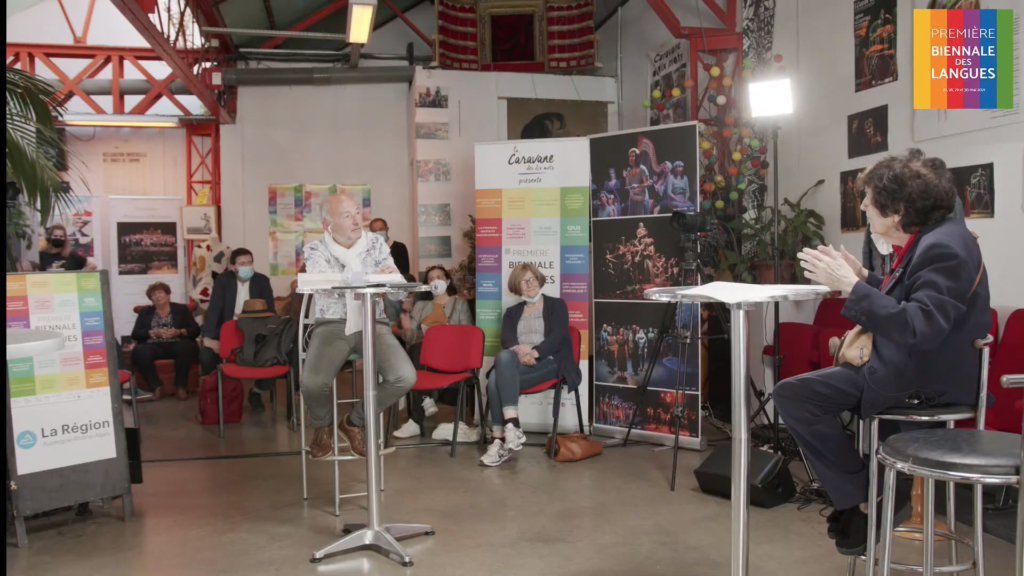
The Language Biennial had to adapt to the exceptional health situation. Originally scheduled to take place in Lyon, in the courtyard of the Centre Berthelot (7th arrondissement) and at various partner venues in the surrounding area—and conceived in the style of a world’s fair, consisting of several thematic “pavilions” exploring different aspects of language with the aim of making the subject accessible to a broad audience—it was presented this year exclusively in a digital format, The themes included multilingualism, accents, animal communication, the Francophonie, and the feminization of language. More than 70 presentations over four days were recorded at the Théâtre des Asphodèles, which was transformed into a television studio for the occasion.
From May 27 to 30, between 9 a.m. and 7 p.m., the discussions, roundtables, and various presentations scheduled for the Language Biennial were streamed live on the event’s website.
The Biennale also visited schools to lead workshops—in compliance with health guidelines—with more than 800 students participating. Some partners were also able to maintain their in-person programming, such as the Comoedia cinema, which hosted a preview screening of the film 143 rue du Désert as well as a program of short films focused on languages.
This pilot edition, even without an in-person audience, helped forge connections with our partners and guests. It served as a space for exchange and inspiration, sparking enthusiasm to participate in the next edition of the Language Biennale.